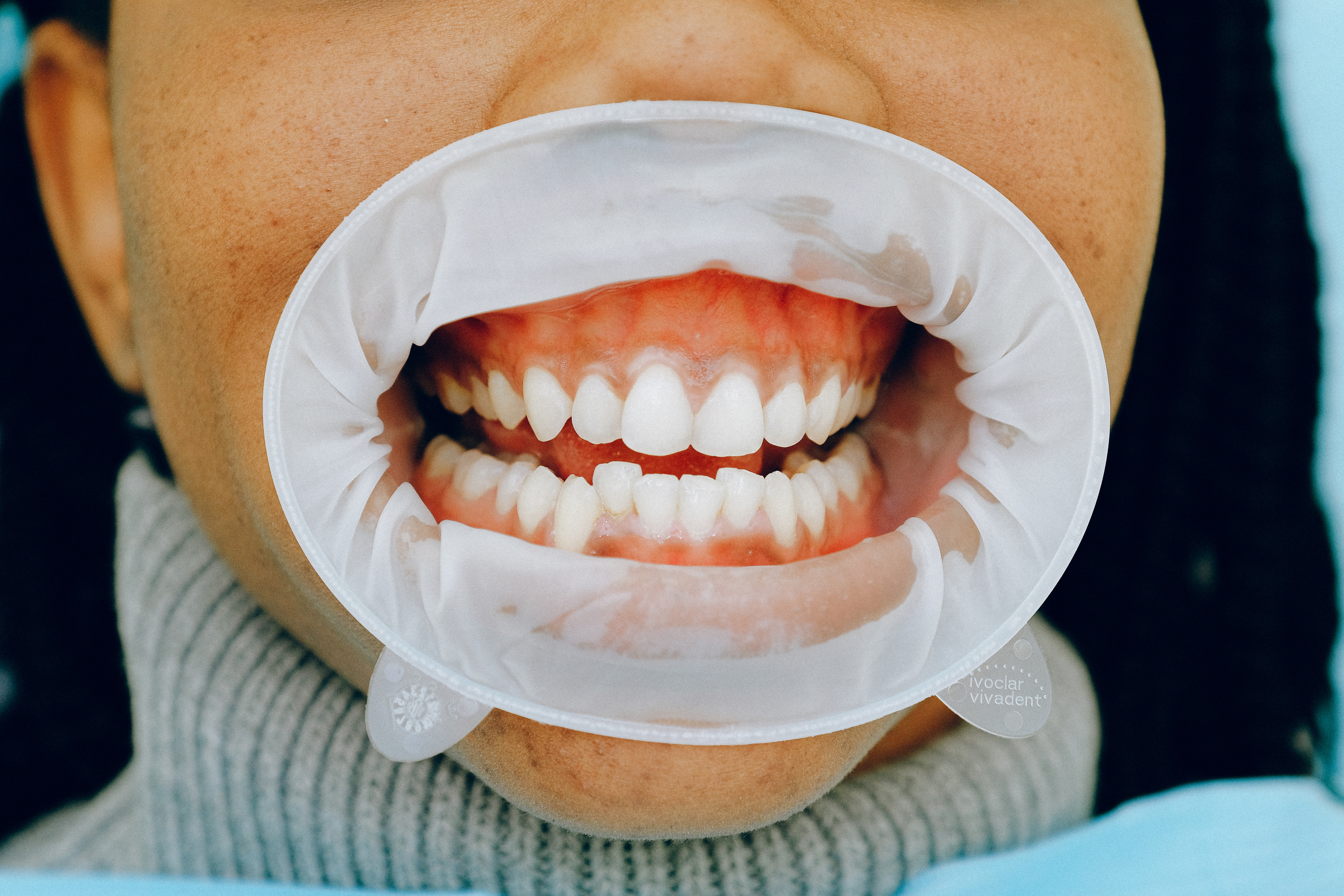
Ultrasonic tartar removal at Medicodent Dental Clinic, Sződliget
Dental hygiene

What is tartar, and why is it important to remove it?

Tartar forms from the hardening of plaque deposited on the teeth, which consists of bacteria, food residue and saliva. Once it has set, tartar can no longer be removed by brushing at home – this requires a professional, in-office procedure.

Tartar can lead to gum inflammation, bleeding gums, bad breath, and in the longer term to periodontal disease. Regular tartar removal is therefore not only an aesthetic matter, but plays a key role in preserving the health of the teeth and gums.


Who will care for you?

In kind, attentive hands

Tartar removal and dental hygiene treatments are performed by Edina and Ivett, who with their kind, patient and attentive approach make the treatment relaxed and pleasant – even for those who feel anxious in the dental chair.

Edina Nagyné Kátai, lead assistant and dental hygienist – Medicodent Sződliget

Edina Nagyné Kátai

Lead assistant, dental hygienist

Guides you through the treatment with a patient, reassuring approach.

Ivett Anna Szabóné Papp, dental assistant and clinical hygienist – Medicodent Sződliget

Ivett Anna Szabóné Papp

Dental assistant, clinical hygienist

Cheerful and attentive – happy to answer any of your questions.

How does tartar removal work?

  1. Ultrasonic tartar removal: with gentle ultrasonic vibration the tartar is carefully detached from the tooth surface and from below the gumline, without damaging the tooth enamel.
  2. Polishing: at the end of the treatment the tooth surface is polished smooth, which makes it harder for new plaque to stick and gives a nicer, shinier surface.
  3. Oral hygiene advice: we give personalised advice on correct home tooth care so you can keep the result until your next treatment.

Why is regular tartar removal important?

  • Prevents gum inflammation and bleeding gums.
  • Reduces the risk of periodontal disease and loosening teeth.
  • Eliminates the bad breath caused by tartar.
  • Gives a cleaner, shinier tooth surface and a fresher feeling.

How often is it recommended, and how much does it cost?

For most patients tartar removal is recommended every six months, but the exact frequency depends on the condition of your teeth and gums. You can find the price of the treatment on our current price list page.

Frequently asked questions about tartar removal

Does tartar removal hurt?

The treatment is generally painless. With more sensitive teeth or inflamed gums some mild sensitivity may occur, but our colleagues pay attention to this and work as gently as possible.

How often should I have tartar removal?

It is generally recommended every six months, but with heavy plaque build-up or gum problems more frequent treatment may be warranted.

Does ultrasonic tartar removal damage the enamel?

No. Properly performed ultrasonic removal breaks down the tartar and does not damage the intact tooth enamel.

Will my teeth be whiter after tartar removal?

The treatment removes plaque and surface discolouration, so the natural colour of the teeth returns. Lasting lightening of the teeth is provided by teeth whitening.

Dental hygiene

Is it time for a fresh, clean smile?

Book a tartar removal appointment with Edina and Ivett – in a kind, calm atmosphere.

We welcome patients from the surrounding area

Our practice in Sződliget, at Szabadság tér 10, is easy to reach from the towns of the region. We warmly welcome you for tartar removal and dental hygiene treatments from the following areas:

  • Göd
  • Sződ
  • Sződliget
  • Vác
  • Verőce
  • Kosd
  • Rád
  • Vácduka
  • Vácrátót
  • Váchartyán
  • Dunakeszi
  • Penc